



BLOG

18 June 2026
Fun ways to develop fine motor skills in early childhood
Introduction
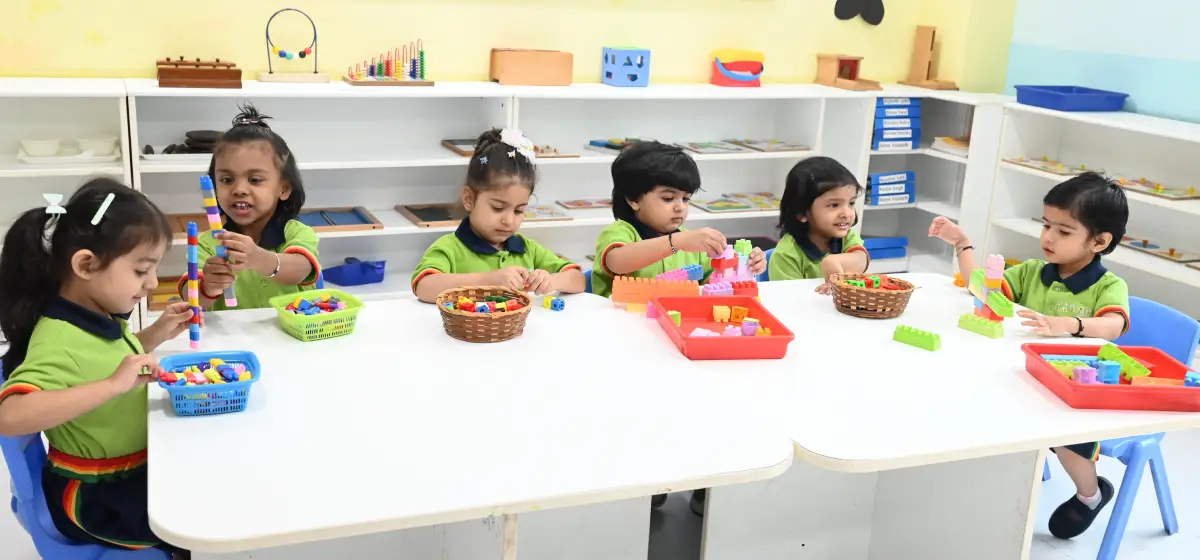
In the early years of childhood, small movements often lead to significant developmental milestones. Fine motor skills, the ability to make precise movements using the hands, fingers, and wrists, play a vital role in a child's growth and independence. From holding a pencil and buttoning a shirt to drawing, writing, and self-care activities, these skills support everyday learning and confidence.
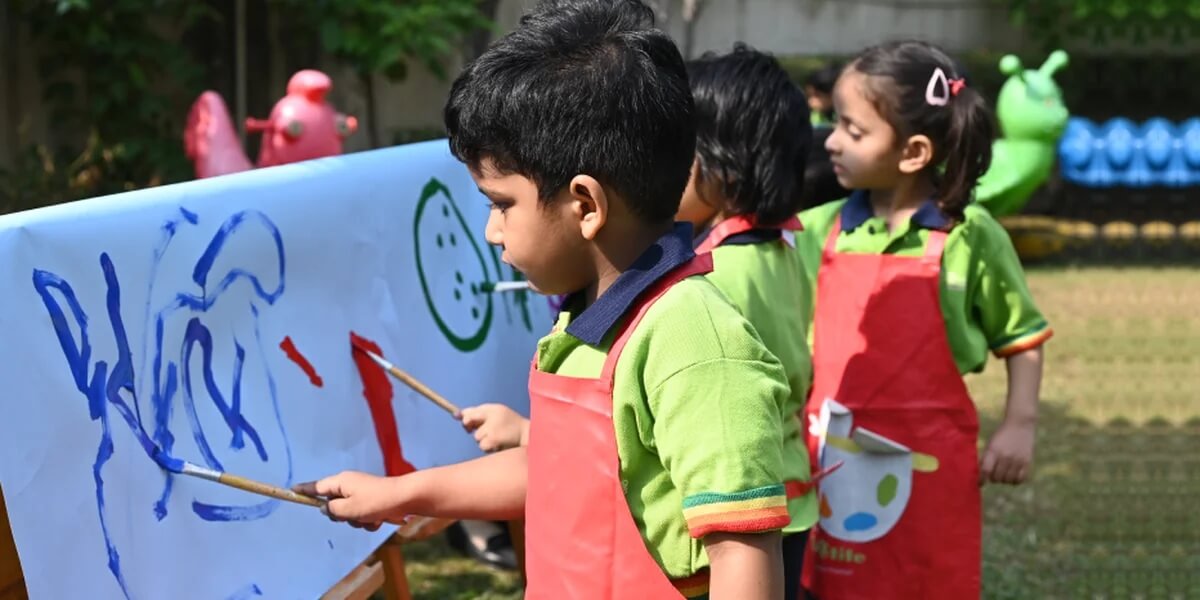
At GD Goenka La Petite Model Town, we believe that fine motor skill development should be both purposeful and enjoyable. Through engaging, hands-on experiences, children strengthen their coordination while developing essential life skills in a nurturing environment.
Why fine motor skills matter
Fine motor skills are closely linked to a child's ability to perform daily tasks independently. Strong hand and finger muscles contribute to better hand-eye coordination, concentration, problem-solving abilities, and school readiness. As children refine these skills, they become more confident in exploring, creating, and interacting with the world around them.
The montessori approach to fine motor development
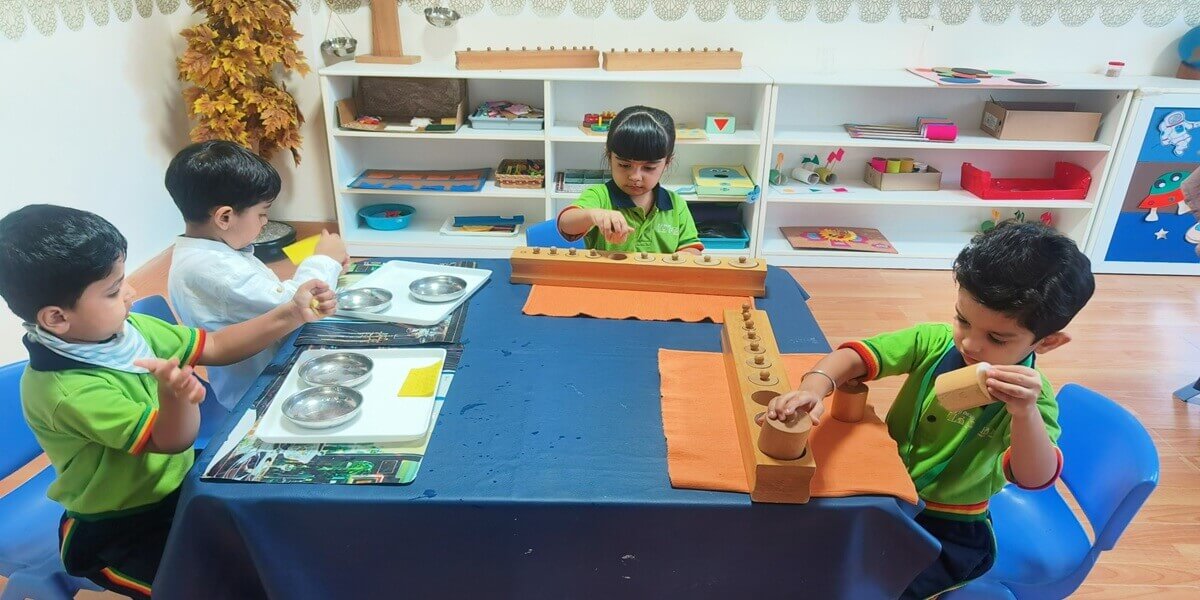
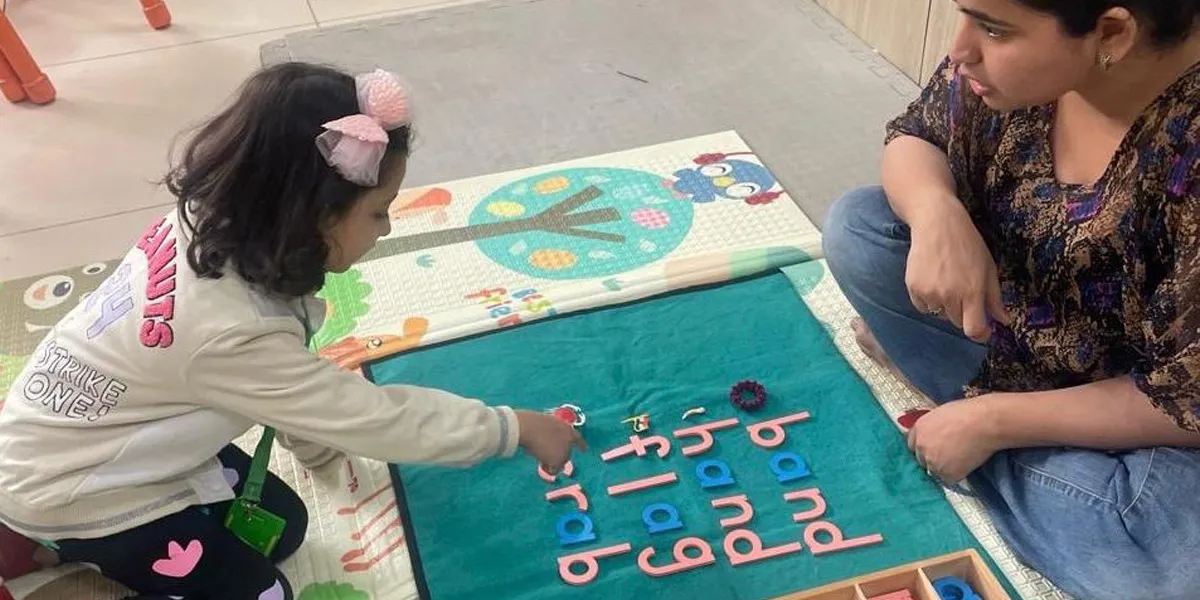
Inspired by the philosophy of Maria Montessori, our learning environment encourages children to develop skills naturally through meaningful experiences. Every activity is carefully designed to promote independence, precision, and confidence while allowing children to learn at their own pace.
Rather than relying on repetitive exercises, children engage in purposeful tasks that combine learning with exploration, making skill development both effective and enjoyable.
Fun activities that strengthen fine motor skills
Practical Life Activities
Practical life exercises form the foundation of fine motor development. Activities such as pouring water, spooning grains, buttoning, zipping, and transferring objects help children improve hand control, coordination, and concentration. These everyday tasks foster independence while strengthening the small muscles required for future academic skills.
Sensory exploration
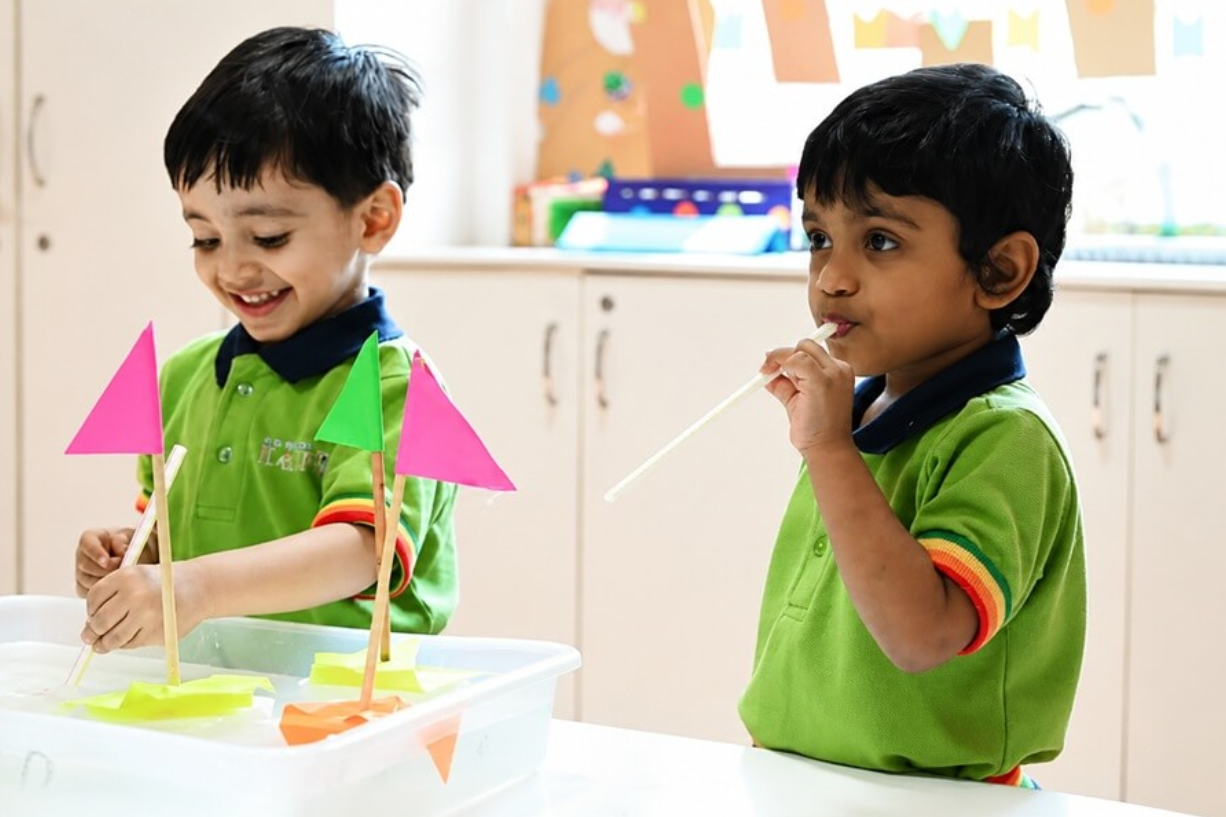
Children naturally learn through their senses. Experiences involving play dough, sand, textured materials, and sensory trays encourage squeezing, pinching, rolling, and moulding movements that build finger strength and dexterity. At the same time, these activities enhance sensory awareness and cognitive development.
Conclusion
At GD Goenka La Petite Model Town, we focus on nurturing abilities that support lifelong learning. Through thoughtfully designed Montessori-inspired experiences, children develop fine motor skills in a way that feels natural, engaging, and rewarding.
When little hands are given opportunities to explore, create, and discover, they grow into capable individuals who approach the world with confidence, curiosity, and independence.
Regards,
Ms. Bhavina
Administrator
GDGLP Model Town




 +91 93123-45678
 joinhands@gdgoenka.com