



BLOG

17 June 2026
Managing child tantrums: Practical strategies for parents and teachers
Introduction
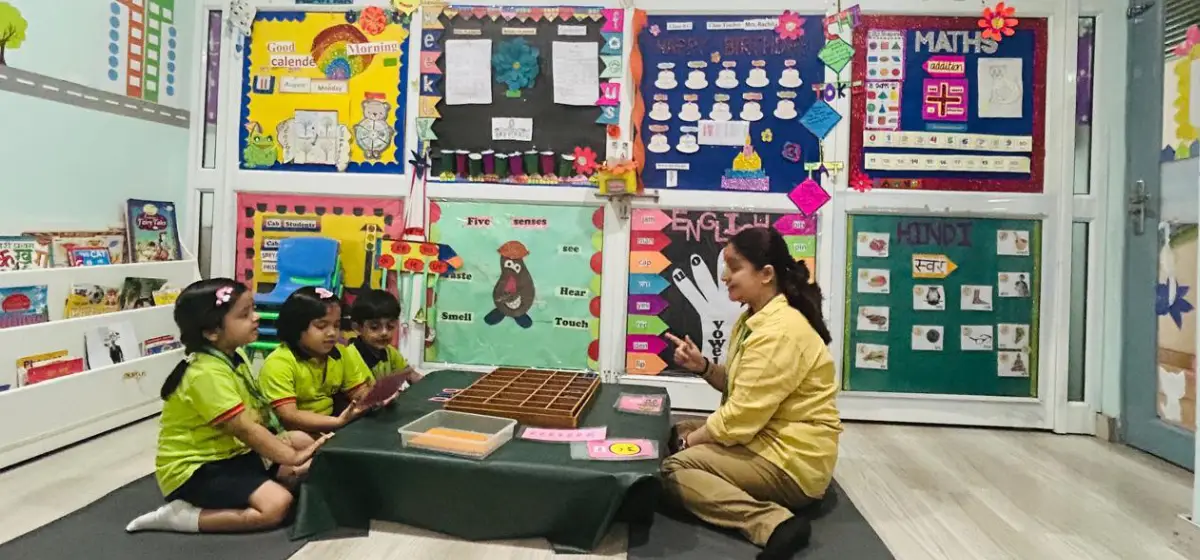
Tantrums are a common part of childhood and often occur when children struggle to express their emotions, needs, or frustrations. While these emotional outbursts can be challenging for parents and teachers, they are a normal stage of child development. Effective tantrum management is not about stopping a child from feeling emotions but about helping them learn how to understand and regulate those emotions healthily.
Why do children have tantrums?
Children, especially younger ones, are still developing emotional regulation skills. They may experience tantrums when they feel overwhelmed, tired, hungry, frustrated, disappointed, or unable to communicate what they want. Since their ability to manage strong emotions is still developing, tantrums often become their way of expressing distress.
Understanding the reason behind a tantrum helps adults respond with patience rather than punishment. When children feel supported during difficult moments, they gradually learn healthier ways to cope with their emotions.
Why managing tantrums calmly matters
The way adults respond to a tantrum can significantly influence how quickly a child regains control. Remaining calm is one of the most effective strategies for managing child tantrums. A calm tone of voice, reassuring body language, and a patient approach help regulate the child's nervous system and create a sense of safety.
Reacting with anger, threats, or shouting can escalate the situation, making it harder for the child to calm down. Instead, parents and teachers should focus on providing emotional support while maintaining appropriate boundaries.
Effective techniques to manage child tantrums
1. Acknowledge and validate feelings
Children want to feel heard and understood. Instead of immediately correcting their behaviour, acknowledge their emotions with simple statements such as:
- "I can see that you're upset."
- "I know you're feeling angry right now."
- "It seems like you're frustrated."
Validating feelings does not mean approving inappropriate behaviour. It simply helps children recognise and name their emotions, which is an important step in emotional development.
2. Encourage Positive Behaviour
Positive reinforcement is a powerful tool in child behaviour management. Notice and appreciate moments when children express themselves calmly, share with others, or follow instructions. Praise and encouragement help reinforce desirable behaviours and build confidence.
3. Offer Simple Choices
Many tantrums occur when children feel a lack of control. Providing age-appropriate choices can reduce frustration and encourage cooperation. For example:
- "Would you like to play with blocks or puzzles?"
- "Do you want to complete your homework before or after your snack?"
These small decisions help children develop independence while reducing power struggles.
Building Emotional Skills for the Future
Managing tantrums is not only about handling challenging moments; it is also about teaching children lifelong emotional skills. When adults consistently model patience, empathy, and self-control, children gradually learn how to manage frustration, communicate their feelings, and solve problems more effectively.
Conclusion
Tantrums are a natural part of growing up and should be viewed as opportunities for learning rather than signs of bad behaviour. Through calm responses, emotional validation, positive reinforcement, and consistent guidance, parents and teachers can help children develop emotional resilience and self-regulation skills. By working together with patience and understanding, adults can create a supportive environment where children feel safe, valued, and empowered to express their emotions in healthy ways.
Regards,
Ms. Shivani Rateja
Chief Vision Officer
GDGLP Chattarpur




 +91 93123-45678
 joinhands@gdgoenka.com