



BLOG

How to Start a Premium Montessori Preschool Partnership in India
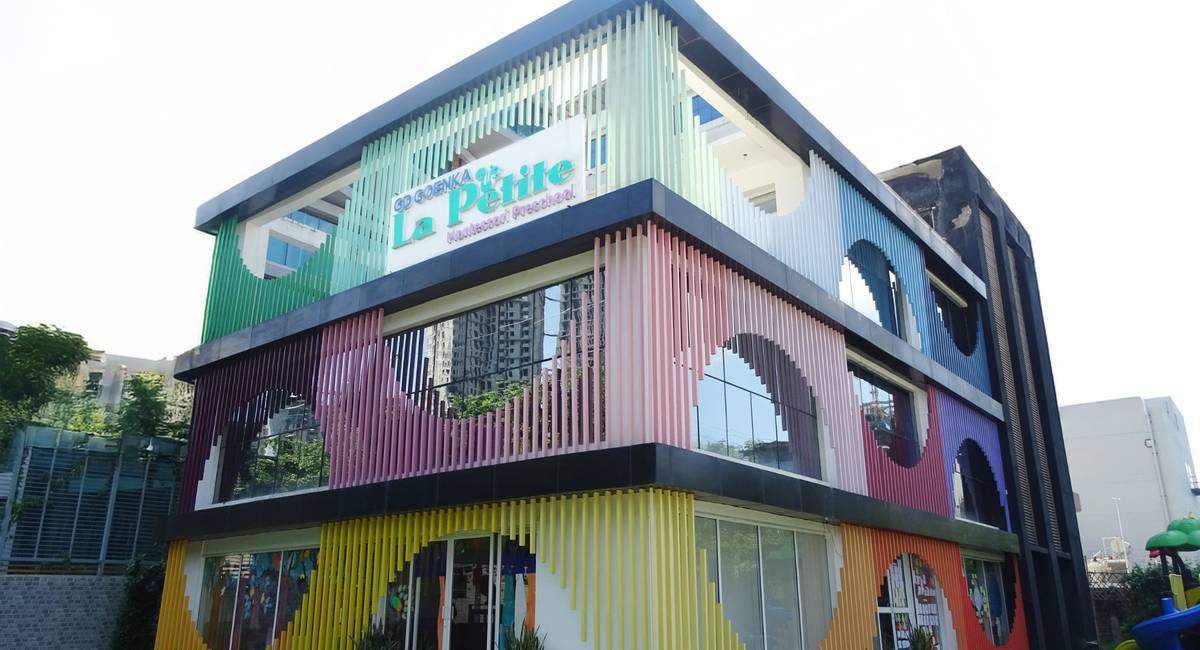
Starting a preschool is an opportunity to contribute to a child's early learning journey while building an educational venture. However, it involves more than finding a suitable property and setting up classrooms. A clear understanding of early childhood education, curriculum planning, infrastructure, trained educators, and operational support is essential.
For individuals exploring the Premium preschool franchise education sector, a Montessori-based model offers an approach centred on children's curiosity, independence, and learning through experience. Before taking the first step, it is important to understand how the model works, what it takes to establish a preschool, and the investment involved.
1. Why Choose a Montessori Curriculum?
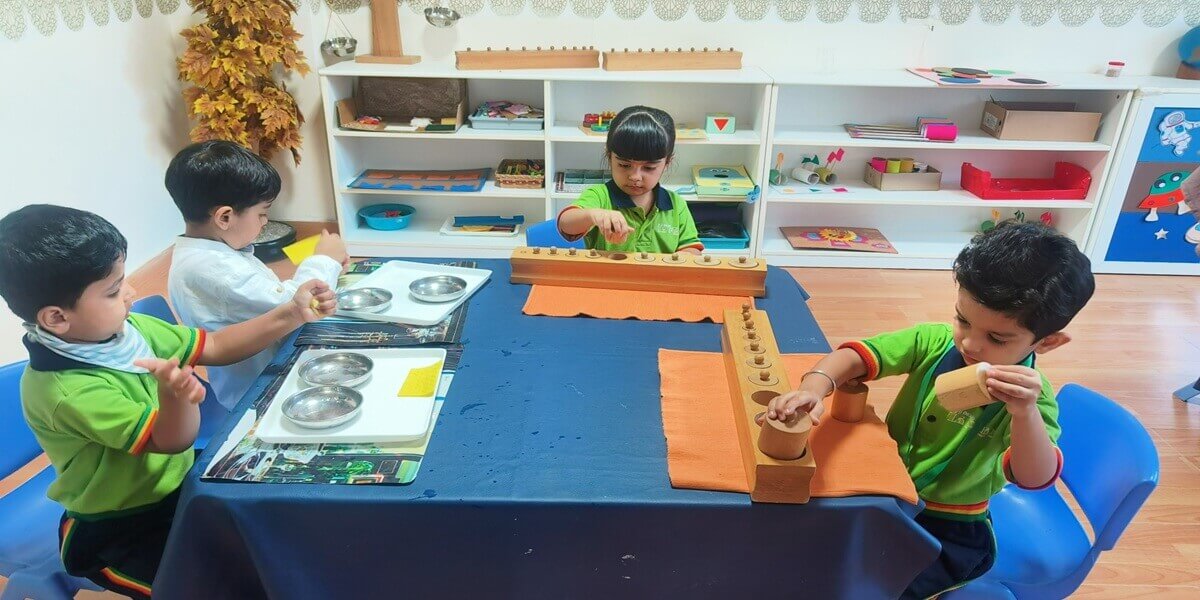
The Montessori philosophy, developed by Dr Maria Montessori, is based on the understanding that children learn through exploration, observation, and hands-on experiences. It encourages them to make choices, develop independence, and engage with activities at their own pace.
Instead of relying entirely on classroom instruction, Montessori learning uses specially designed materials and purposeful activities to introduce concepts such as language, mathematics, sensory development, and practical life skills.
Some key benefits of a Montessori curriculum include:
- Independent Learning: Children get opportunities to make choices and take responsibility for their activities.
- Learning Through Experience: Hands-on materials help children understand concepts through exploration and practice.
- Individual Attention: Educators observe children's progress and guide them according to their developmental needs.
- Holistic Development: Activities support cognitive, physical, social, and emotional development.
- Everyday Skills: Practical activities encourage concentration, coordination, and confidence.
For prospective education partners, choosing a Montessori curriculum means creating a learning environment that supports early development rather than focusing only on academic instruction.
2. Difference Between Montessori and Conventional Curricula
Both Montessori and conventional preschool approaches aim to support children's early development, but they differ in how learning is organised and delivered.
| Aspect | Montessori Curriculum | Conventional Curriculum |
|---|---|---|
| Learning Approach | Child-led exploration and hands-on activities | Often structured around teacher-led lessons |
| Learning Materials | Specialised Montessori materials | General teaching aids and classroom resources |
| Teacher's Role | Guide and observer | Primarily instructor |
| Learning Pace | Allows individual progress | Often follows a common classroom schedule |
| Classroom Environment | Prepared for independent exploration | Generally organised around group activities |
| Development | Emphasises holistic development | Varies according to the academic programme |
The choice of curriculum should depend on the educational philosophy, teaching practices, and developmental needs that the preschool intends to prioritise.
3. How to Start a Montessori Franchise in India
Establishing a Montessori Premium preschool franchise requires careful planning across four important areas.
Location and Space: Choose a location that is accessible to families, preferably in a residential area with a suitable population of young children. The premises should have adequate space for classrooms, activity areas, play zones and other essential facilities.
Infrastructure and Learning Resources: Classrooms should be well-ventilated, child-friendly, and equipped with age-appropriate furniture and Montessori learning materials. Safe play areas, clean washrooms, CCTV surveillance, and appropriate security arrangements are equally important.
Curriculum and Educators: Select a structured Montessori-based curriculum and recruit educators with relevant early childhood education or Montessori training. Teachers should understand child development and know how to guide children through different learning activities.
Operational Planning: Plan admissions, staffing, parent communication, safety procedures, and local marketing. It is also important to understand the permissions and regulatory requirements applicable to the proposed premises and operations.
Associating with an established preschool education organisation can guide several of these areas, making the initial setup and ongoing management more structured.
4. What Is the Basic Investment Required to Start a Montessori Preschool?
The investment required to establish a Montessori Franchise in India depends on the location, property, size of the centre, infrastructure, and academic resources. Apart from the initial setup, prospective partners should also account for recurring expenses during the first few months of operations.
The major investment areas generally include:
| Investment Area | Expenses to Consider |
|---|---|
| Property | Purchase or rental, security deposit |
| Interiors | Classroom design, furniture and fittings |
| Learning Resources | Montessori materials, books and teaching aids |
| Staffing | Teacher salaries, recruitment and training |
| Safety | CCTV, access control and emergency arrangements |
| Marketing | Local promotions and admission campaigns |
| Working Capital | Salaries, utilities and daily operating expenses |
For individuals considering an association with GD Goenka La Petite, the published investment requirements are as follows:
| Requirement | Details |
|---|---|
| Minimum Space | 500 square metres and above |
| Indicative Investment | ₹1 crore and above |
| Brand Fee | ₹35 lakh + GST (Delhi NCR); ₹25 lakh + GST (outside Delhi NCR) |
| Royalty | 10% + GST |
| Partnership Term | 10 years |
These figures provide an initial understanding of the financial commitment. The final project cost should be discussed with the organisation to understand property-related expenses, setup costs, and other applicable charges.
5. Why Choose GD Goenka La Petite?
GD Goenka La Petite brings the GD Goenka Group's experience in education to the preschool segment through a Montessori-based learning approach. Its academic model combines Montessori principles with globally accepted learning standards to create meaningful early learning experiences.
The Premium preschool franchise offers programmes across different age groups, including Mom & Me, Playgroup, Pre-Nursery, Nursery and Kindergarten, along with Day Care and Activity Centre facilities.
For prospective education partners, the association offers support in key areas:
- Curriculum: An internationally benchmarked curriculum based on Montessori philosophy.
- Infrastructure: Guidance on classroom planning, interiors and learning spaces.
- Teacher Training: Regular training workshops and recruitment assistance.
- Learning Resources: Teaching aids and curated learning materials.
- Marketing Support: Branding, promotional resources and website design assistance.
- Mentoring: Ongoing guidance to help establish and manage the centre.
With these resources and an established educational network, GD Goenka La Petite offers an opportunity to build a preschool with academic and operational support from an experienced education group.
Conclusion
Starting a Montessori preschool requires a thoughtful approach to education, infrastructure, staffing, and financial planning. Choosing the right curriculum and education partner can help establish a strong foundation for the centre while creating a meaningful early learning experience for children.
For individuals exploring a Montessori franchise in India or a preschool franchise in Delhi, GD Goenka La Petite offers an opportunity to associate with an established education group and build a preschool supported by a structured academic model and operational guidance.
To learn more about the partnership requirements, investment and setup process, connect with the GD Goenka La Petite team.







 +91 93123-45678
 joinhands@gdgoenka.com