


BLOG

Why Curiosity Is an Important Part of Early Childhood Learning
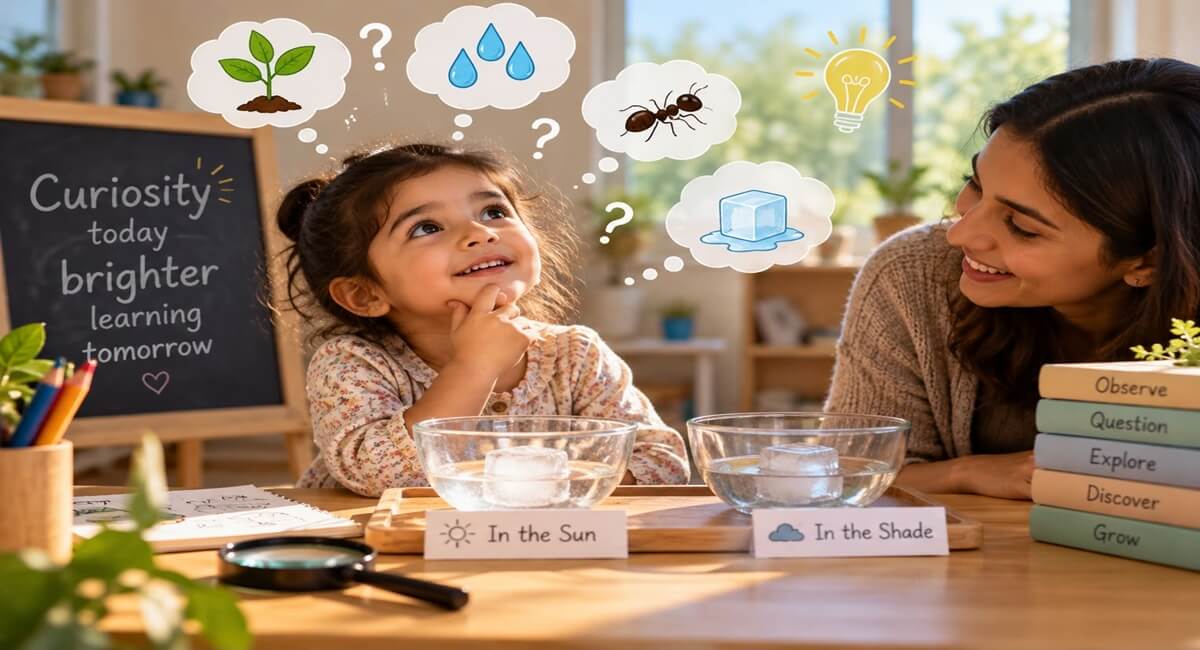
A child sees a puddle and asks, “Where did the water come from?” They see an ant carrying a crumb and wonder, “Where is it taking that?” They touch a cold window and ask, “Why is it wet?”
These little questions may sound simple, but they are the beginning of learning.
Curiosity is a natural spark that encourages children to look closer, ask questions, try things, and make sense of the world around them. In early childhood, learning is not just about knowing the right answers; it is also about developing the desire to find those answers.
How Curiosity Supports Early Learning
When children are encouraged to explore their questions instead of being given immediate answers, they become active participants in their own learning. They begin to observe, think, experiment, and make connections between what they see and what they already know.
Curiosity can help children develop several important skills, including:
- Observation: Noticing details and changes in their surroundings.
- Communication: Expressing questions, ideas, and thoughts.
- Problem-solving: Trying different ways to understand or solve something.
- Creativity: Exploring possibilities and thinking beyond the obvious.
- Critical thinking: Making predictions, comparing outcomes, and drawing simple conclusions.
These skills often develop through ordinary moments rather than formal lessons.
Turning Everyday Moments into Learning Experiences
Imagine a child noticing that an ice cube melts faster in one place than another. Instead of simply saying, “It melts because of heat,” an adult could ask, “What do you think will happen if we keep one ice cube in the sun and another in the shade?”
Suddenly, a simple ice cube becomes an experiment.
The child observes, makes a prediction, waits, compares the results, and begins to understand what happened. The experience becomes meaningful because the child has discovered something through their own curiosity.
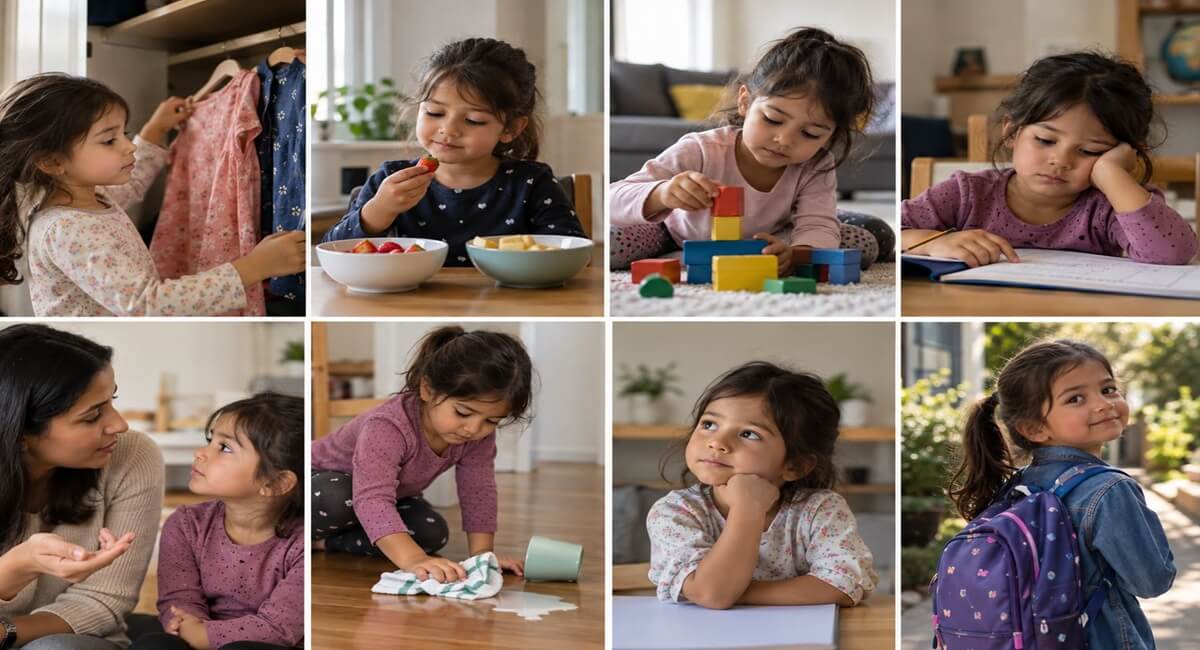
Similarly, a walk outdoors can lead to questions about leaves, insects, clouds, sounds, or puddles. A story can lead to questions about what a character might do next. Even everyday routines can give children opportunities to notice, wonder, and explore.
The Role of Adults in Encouraging Curiosity
Adults play an important role in creating an environment where children feel comfortable asking questions. Instead of immediately providing an answer, parents and teachers can sometimes respond with questions of their own:
- “What do you think?”
- “Why do you think that happened?”
- “What could we try?”
- “What do you notice?”
- “What do you think will happen next?”
These simple responses give children time to think and encourage them to explore their own ideas.
It is also important to remember that children may not always find the right answer immediately. Making mistakes, changing their ideas, and trying again are all part of the learning process.
Creating Space for Curiosity in Early Childhood
In early childhood, curiosity does not always need a planned activity. It can begin with something as simple as a question during play, a new object in the classroom, or something a child notices on the way to school.
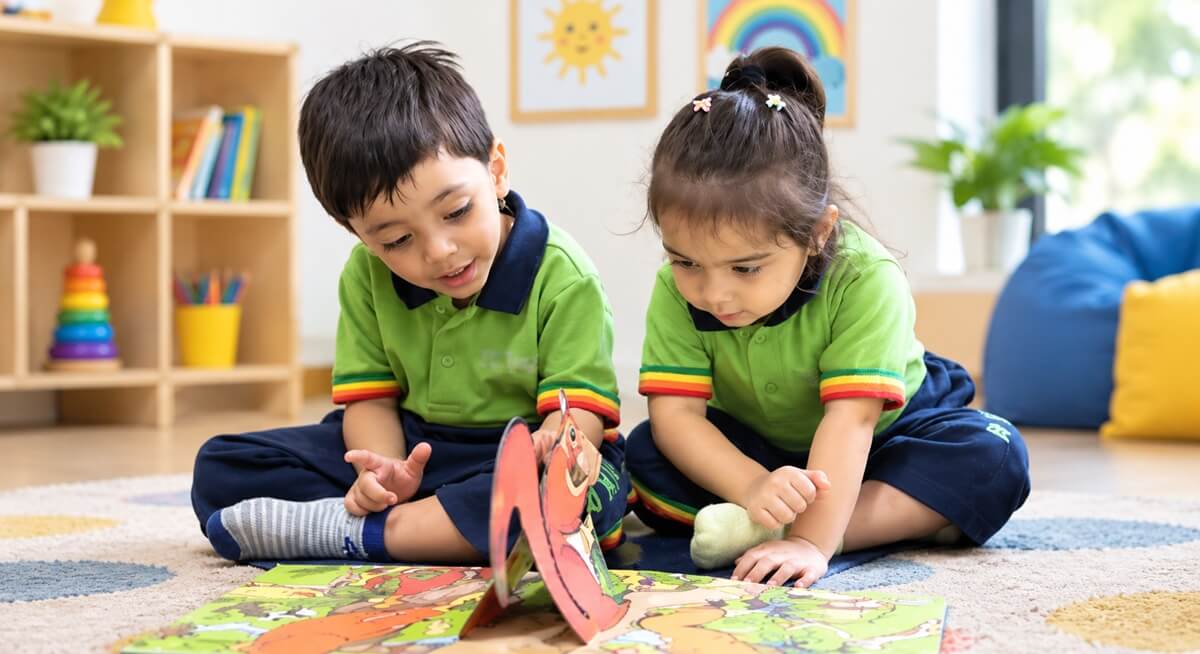
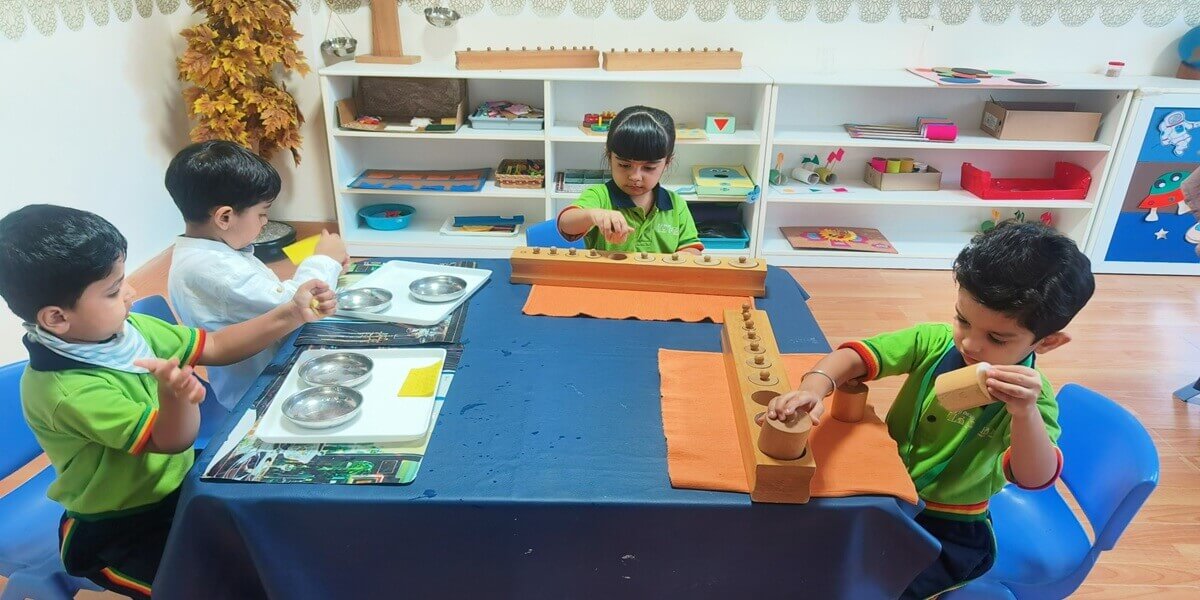
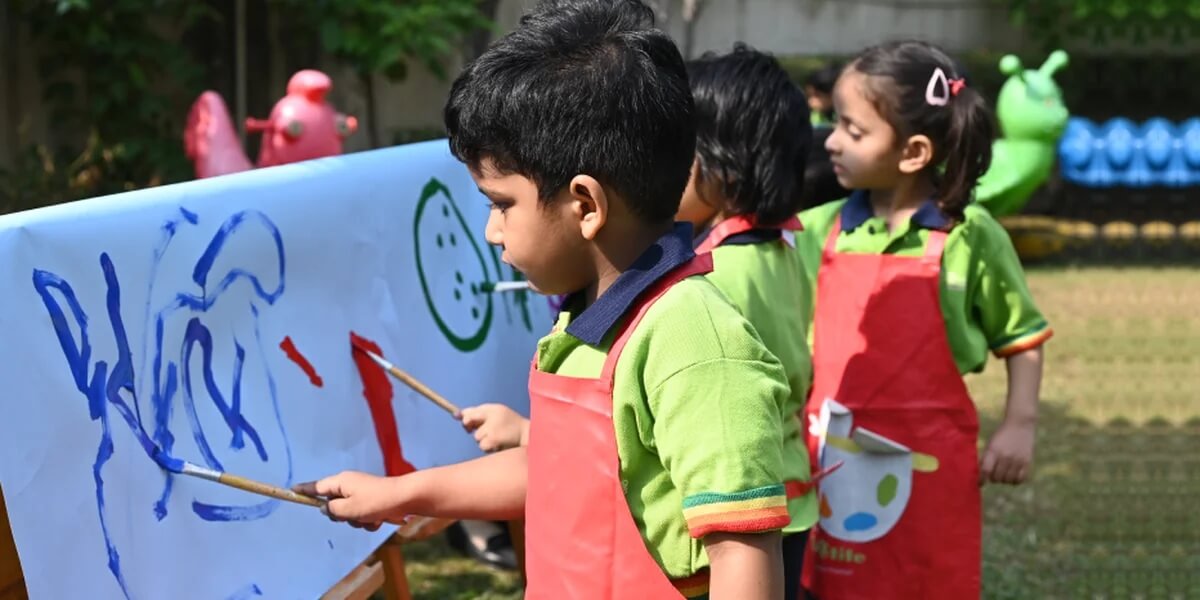
At GD Goenka La Petite, everyday experiences can be opportunities for children to explore, question, and learn. By giving children the space to observe their surroundings, express their ideas, and investigate what interests them, learning becomes an active and engaging experience.
Let Children Ask, Explore and Discover
Children do not need every question answered immediately. Sometimes, the most valuable response is to pause and allow them to think.
A puddle, an ant, an ice cube, or a cloudy sky can become the starting point for discovery.
In early childhood, we do not need to fill every silence with answers. Sometimes, the best thing we can say is simply, “What do you think?”
Anchal Mishra
(Mother of Zion from Pre-Nursery Class - GDGLP Noida, Sector - 132)




 +91 93123-45678
 joinhands@gdgoenka.com