



BLOG

How Young Children Develop Concentration Through Repetition and Hands-On Activities
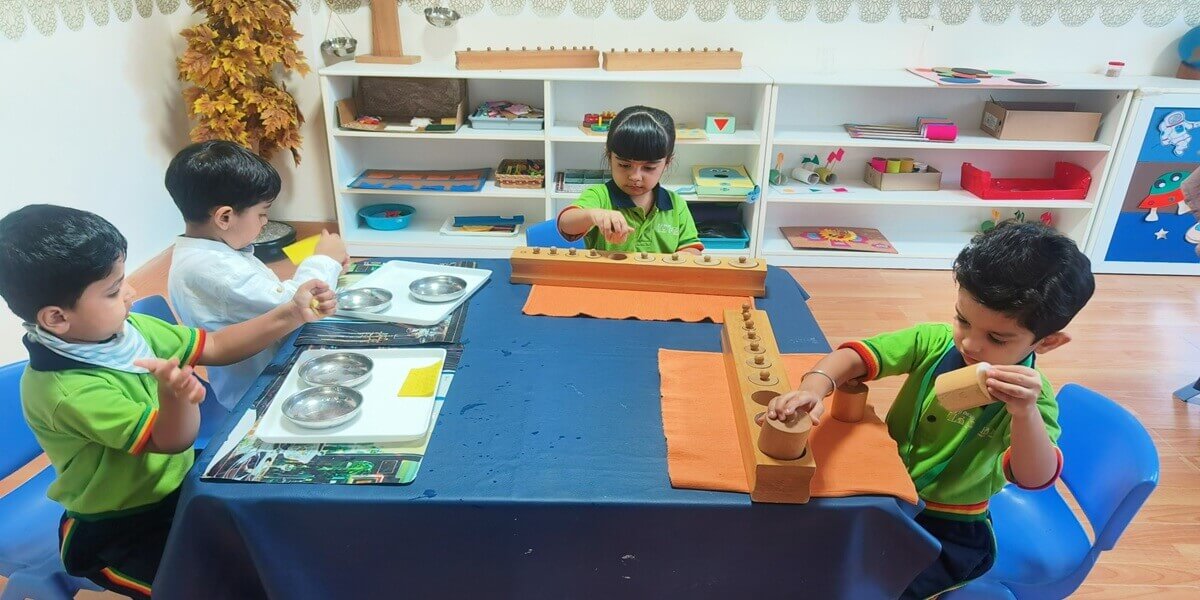
“Can I do it again?” is a simple question often heard from young children. Behind those words lies one of the most natural ways children learn: repetition.
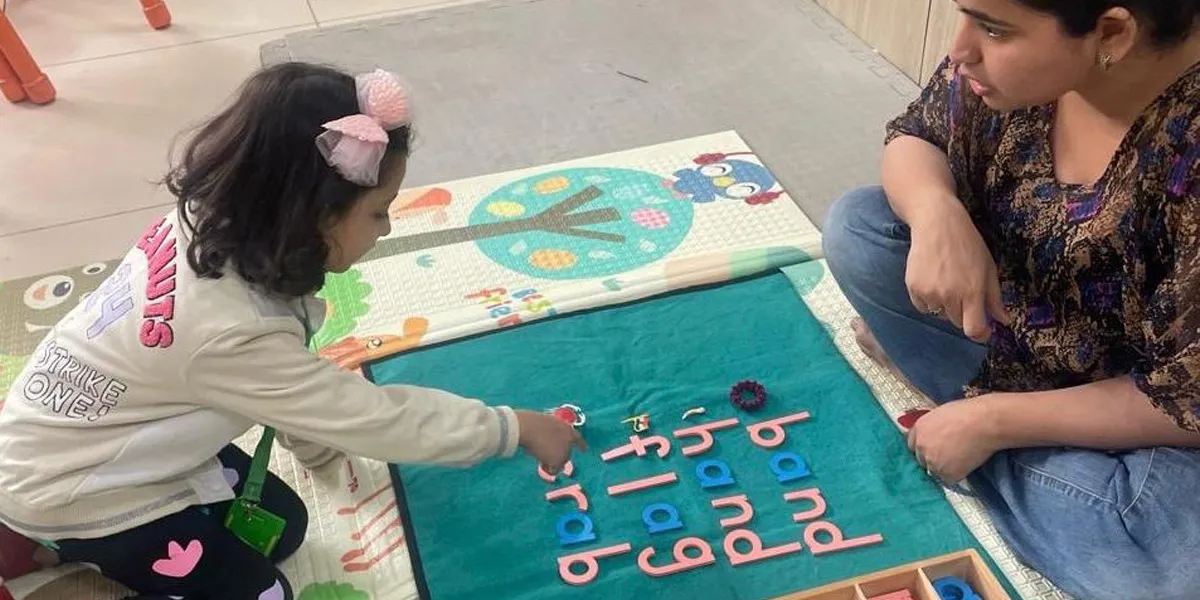
In the early years, children develop concentration when they have the time, freedom, and encouragement to return to activities that interest them. A child may choose the same puzzle every morning, arrange a set of objects repeatedly, or practise writing a particular sound again and again. While it may look repetitive to adults, each attempt gives the child an opportunity to notice something new, practise a skill, and become more confident.
Why Repetition Matters in Early Childhood
Young children learn through practice. Repeating an activity allows them to become familiar with its steps while gradually improving their coordination, accuracy, and confidence.
With each attempt, a child may discover a different way to complete a task, correct a small mistake, or challenge themselves to do a little more independently. Over time, this repeated practice helps children stay engaged with an activity for longer periods.
Repetition also gives children a sense of familiarity. When they know what to expect, they can focus more closely on what they are doing rather than worrying about getting it right the first time.
How Hands-On Activities Build Concentration
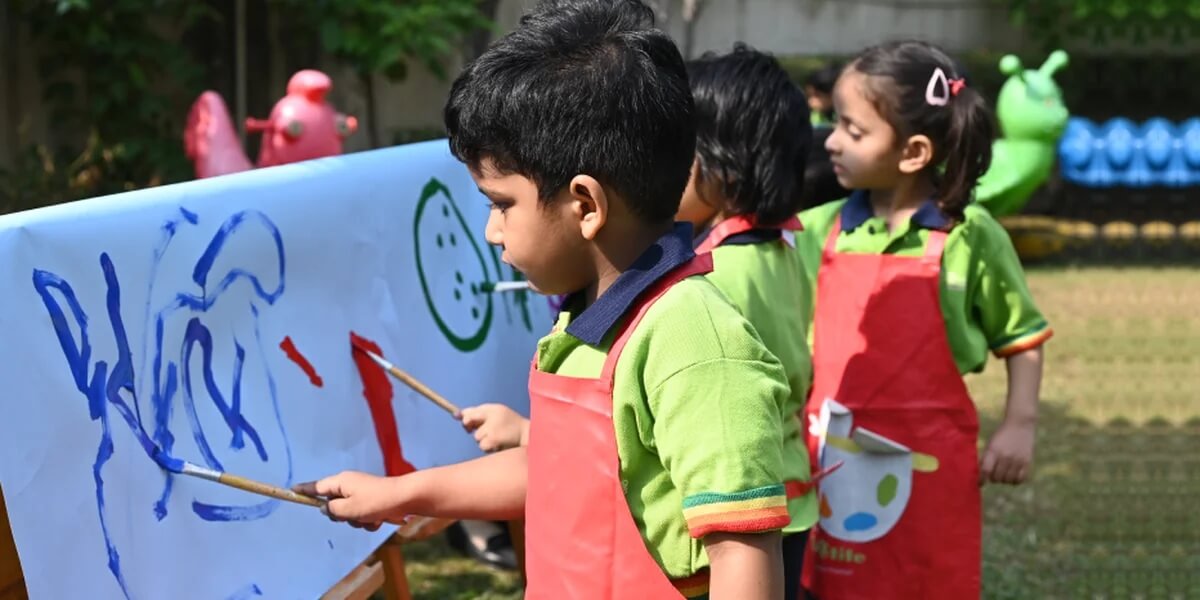
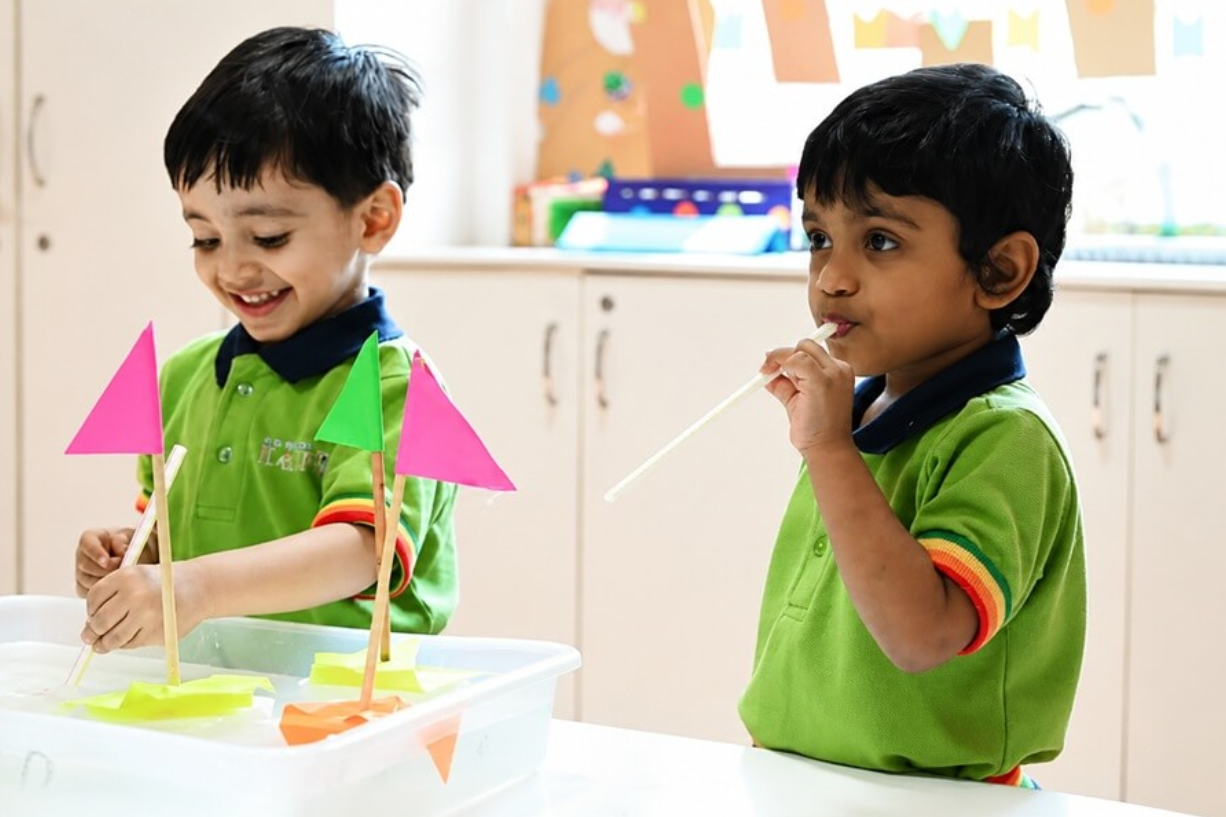
Young children learn through their senses and experiences. Activities that allow them to touch, move, sort, build, match, count, and explore naturally encourage active involvement.
Hands-on activities can help children:
- Stay engaged with one task for longer
- Develop hand-eye coordination
- Strengthen fine motor skills
- Practise problem-solving
- Follow a sequence of steps
- Develop patience and perseverance
- Gain confidence through independent effort
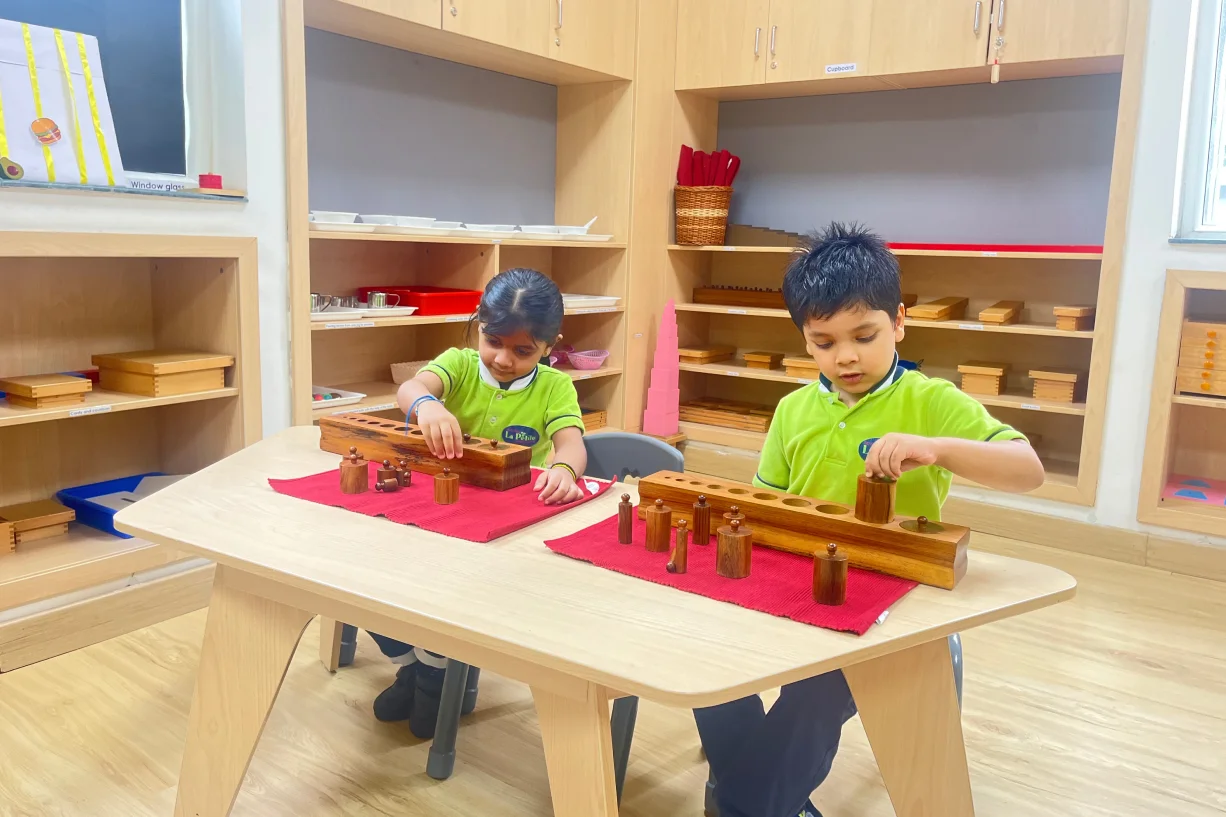
A child building with blocks, arranging beads, matching cards, completing a puzzle, or working on a practical-life activity is doing more than keeping busy. They are learning to observe, make choices, work through challenges, and remain focused on a task.
The Role of a Montessori-Inspired Environment
In a Montessori-inspired environment, activities and materials are thoughtfully introduced to encourage children to work with purpose and gradually become more independent.
The child is given opportunities to choose activities, repeat them, and work at a pace that allows them to understand the process. Instead of rushing from one activity to another, children can spend meaningful time becoming familiar with a material and refining what they are doing.
This creates small but important moments of concentration: a child carefully placing each object, repeating an activity after making a mistake, or quietly trying until they are satisfied with the result.
When Children Are Allowed to Try Again
One of the most valuable parts of repetition is that it makes room for mistakes.
A child may not complete a puzzle correctly on the first attempt or may find it difficult to arrange objects in the right order. When they are encouraged to try again, they begin to understand that learning does not always happen immediately.
The simple act of returning to an activity teaches children to stay with a challenge, notice what went wrong, and try a different approach. These experiences gradually build concentration alongside patience and perseverance.
Creating Opportunities for Concentration at Home
Parents can also encourage concentration through simple everyday activities. Children can be given time to complete a puzzle, sort laundry by colour, arrange toys, water plants, build with blocks, or help with age-appropriate household tasks.
The activity does not need to be complicated. What matters is giving the child enough time to become involved without constantly interrupting or completing the task for them.
When children are genuinely interested in what they are doing, concentration often develops naturally.
Helping Children Enjoy the Process of Learning
Concentration is not developed by asking young children to sit still for long periods. It grows through meaningful experiences where children can explore, practise, make mistakes, and try again.
At GD Goenka La Petite, opportunities for hands-on exploration and purposeful activities can give young children the space to engage with learning through experience. When children are allowed to repeat an activity that interests them and work at their own pace, those seemingly small moments of focus can become the foundation for independent learning.
As parents and educators, we may sometimes see only a child repeating the same activity. But for the child, every repetition is another opportunity to discover, practise, and grow.
Areeba Fatima
Mother of Zunaisha
G D Goenka La Petite, Noida




 +91 93123-45678
 joinhands@gdgoenka.com