



BLOG

Premium Preschool Franchise in India: What Makes a Preschool Franchise Truly Premium
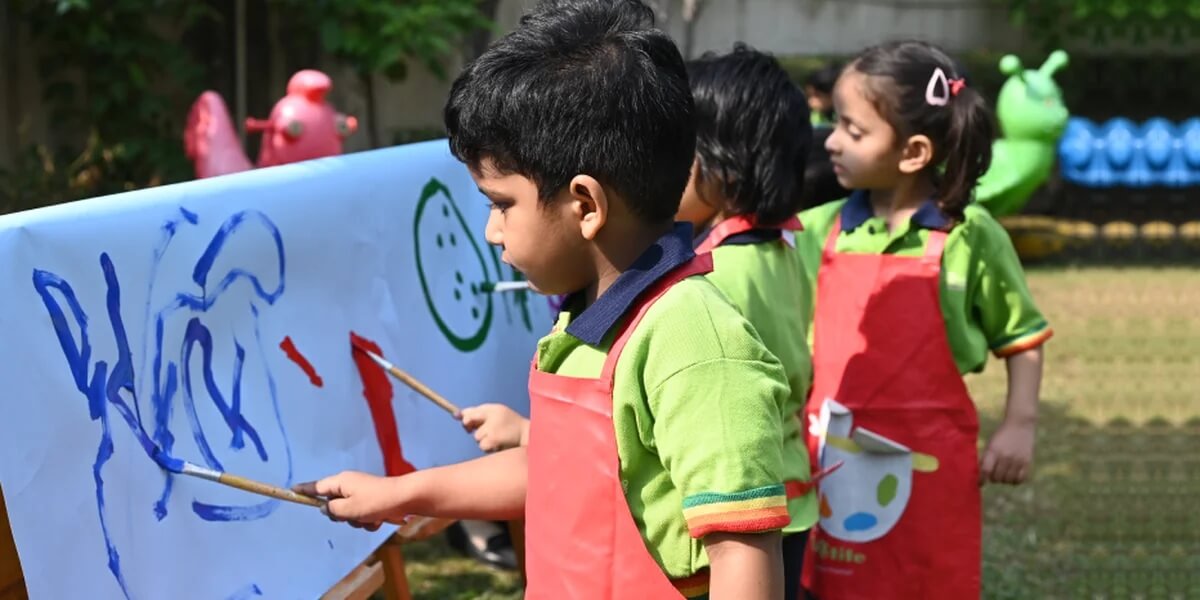
A preschool can look luxurious with slick decor, air-conditioned classrooms, or a known brand name. But the real measure isn't appearances. Parents will experience a preschool through the level of care, education, and stability their child receives each day. In this vein, India’s National Curriculum Framework for the Foundational Stage, aged 3 to 8, and has positioned play, developmentally appropriate learning, and holistic growth at the heart of early education. This changes how a premium preschool franchise should be evaluated.
This isn’t just a business offer or a nice physical facility; it’s an educational atmosphere during a formative period of childhood. The challenge for potential investors is simple: What standards ensure that the promise of a premium experience is continuously reflected in the way children learn, grow, and are cared for?
Start With the Educational Model, Not the Brand Promise
A famous name may draw parents and investors, but the true identity of a preschool is forged in the classroom. That’s why the educational model requires more scrutiny than the brand promise itself. The NCF for the Foundational Stage recognizes that the first eight years are a time of tremendous physical, cognitive, and socio-emotional development.
It also takes note of the fact that children learn and develop at different paces. This understanding should be part of the curriculum and daily activities of a strong premium preschool franchise in India. Before spending, it’s worth asking a basic question: does the educational philosophy really drive what children experience each day, or is that in the brochure?
A Strong Montessori Foundation Can Add Depth
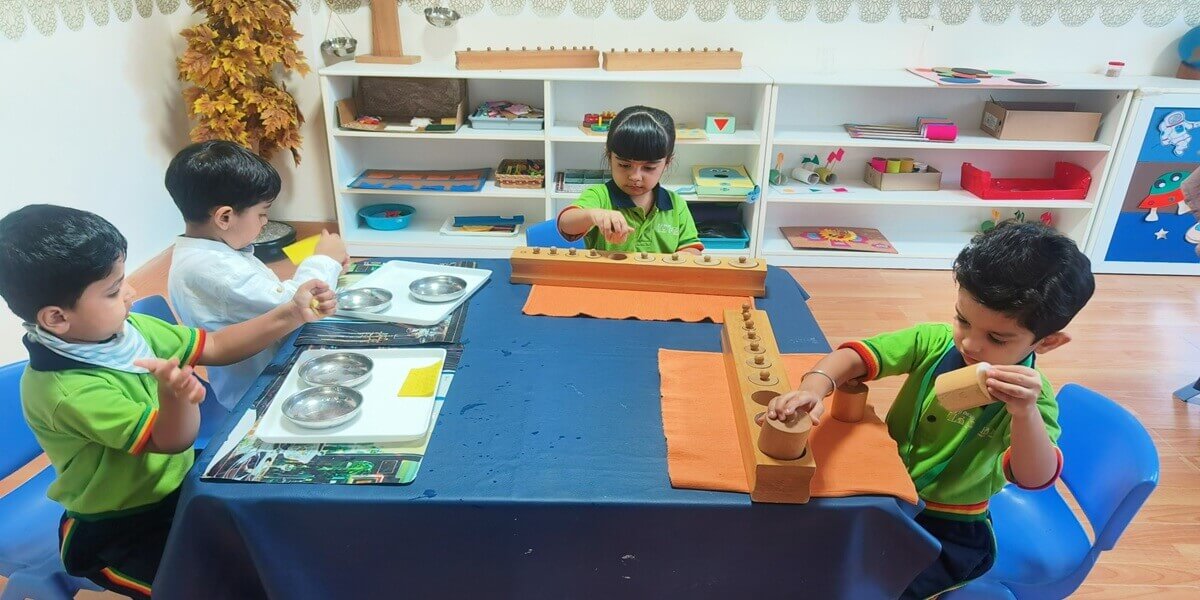
The word “Montessori” by itself does not create a preschool premium. What counts is how the idea comes alive in children’s everyday experiences. A carefully planned environment with hands-on learning tools and the freedom to explore can help youngsters become more independent, but proper guidance can make this freedom purposeful.
Teachers are just as key to this strategy. They are not in control of every single step, but rather they observe, encourage and guide the children according to their speed and needs. If you’re looking at Montessori franchise opportunities, it’s worth paying attention to that difference.
Teacher Quality and Continuous Training Are Non-Negotiable
Preschools might be gorgeous and give a great first impression, but the real quality is felt by the children through the individuals who educate and guide them daily. For a franchise network, classroom monitoring and academic assistance and mentorship on an ongoing basis are vital for a uniform learning experience across the chain of schools.
The NCF for the Foundational Stage also stresses the need for continual professional development through coaching and other frameworks to support educators in strengthening their practice over time. This is something to look attentively at for each prospective franchise partner.
Find out what training is required, who provides it, and if teachers will still receive relevant academic assistance once the school is open. Those replies tell you a lot more about a preschool's standards than promotional claims alone.
A Premium Experience Must Also Mean Safety, Care and Parent Trust
Parents often rate the quality of a preschool far more by what their child gets from the classroom. They want the peace of mind knowing their child is being looked after in a secure and attentive environment while they’re away. That trust does not come from promises alone. It is developed by everyday activities - from staff recruitment and hygiene to well-run routines, secure premises, and good contact with parents.
As the network grows in a franchise model, these criteria should also be constant. This is where defined operational systems are useful. For example, GD Goenka La Petite’s teacher development, operational support and parent-facing mechanisms are included within its overall preschool approach.
When evaluating a franchise partnership, the practical approach is to go beyond general statements and find out exactly what mechanisms and support are in place to ensure a safe, responsible, and reliable preschool experience.
The Franchise System Should Make Quality Easier to Replicate
More than the opportunity to operate under an established name, a franchise gives more. The true value is in the systems that allow a partner to deliver that same standard of experience in a new location. This could be in the domains of infrastructure and school setup, curriculum, learning resources, recruitment, teacher training, operations, marketing, and admissions, with frequent reviews and mentoring.
For instance, GD Goenka La Petite says it supports its franchise partners in areas like infrastructure, Montessori-based curriculum, teacher training, recruitment, marketing, operations mentoring, and quality audits. The level of continuous assistance should be just as important to those looking at a premium preschool franchise as the original investment or franchise cost. After all, a good system should help keep quality even after the school is open.
Look beyond Initial Investment and Examine the Long-Term Model
The initial investment may be the first figure that captures an investor’s attention, but it conveys only part of the tale. A preschool franchise is a business that goes on and on, with ongoing financial and practical obligations that extend long after the branch is set up. For this reason, anyone looking at Montessori franchise potential should thoroughly examine the recurrent royalty or support expenses, teacher training, infrastructure needs, and the procedures used to ensure quality across the network.
And it’s good to know how long the franchise agreement is and what the terms are for renewal. GD Goenka La Petite clearly mentions its expectations on its ‘Partner With Us’ page, which include space, minimum investment, brand charges, royalty and 10 years of franchise term. Commercial terms are subject to change and potential partners are always advised to confirm the latest specifics with the brand before making an investment decision.
The Real Test of “Premium”: Can the Brand Deliver Consistency at Every Centre?
A preschool could do very well at one location, but that’s not the same as the strength of a franchise model. The fundamental question is whether the same standard can be maintained as the network increases. This consistency comes from a clear educational philosophy, well-trained teachers, age-appropriate learning, reliable safety procedures, and standardized operating processes. Ongoing academic support and franchise support can help ensure individual centres don’t stray too far from the standards established by the brand.
When looking into a franchise, potential franchisees should look beyond presentations and brochures. Visiting operating centres, talking to existing partners and understanding assistance post-launch might provide a more accurate picture. The premium positioning of a preschool ultimately comes from the day-to-day experiences of children, parents and educators.
The Closing Remarks
Premium Should Be Demonstrable, Not Just Marketed
Ultimately, a truly premium preschool franchise should be about more than just a good-looking facility or a recognizable name. What gives it value is its capacity to provide a stable early learning experience through a coherent educational strategy, qualified educators, and structures that promote quality over time.
For those weighing their options, here’s one example of a premium preschool franchise to consider in India: GD Goenka La Petite. The brand blends Montessori-style learning with organized franchise support and capitalizes on the greater GD Goenka school tradition. Its website also claims a 30+ year legacy and large network of K-12 schools and preschools; however, potential partners should confirm the current franchise agreements and network information with the organization.
Ultimately, the appropriate choice starts when investors go past the word "premium" and scrutinize the educational, operational, and support systems that can uphold that promise.





 +91 93123-45678
 joinhands@gdgoenka.com