


BLOG

Why Young Children Learn Better When They Can Touch, Move, and Explore
Ever wondered why young children are so eager to touch everything around them? Why do they find it difficult to sit still for long, or why does a simple toy often hold their attention longer than an adult's instructions? Much of this behaviour comes from their natural curiosity and the way they learn.
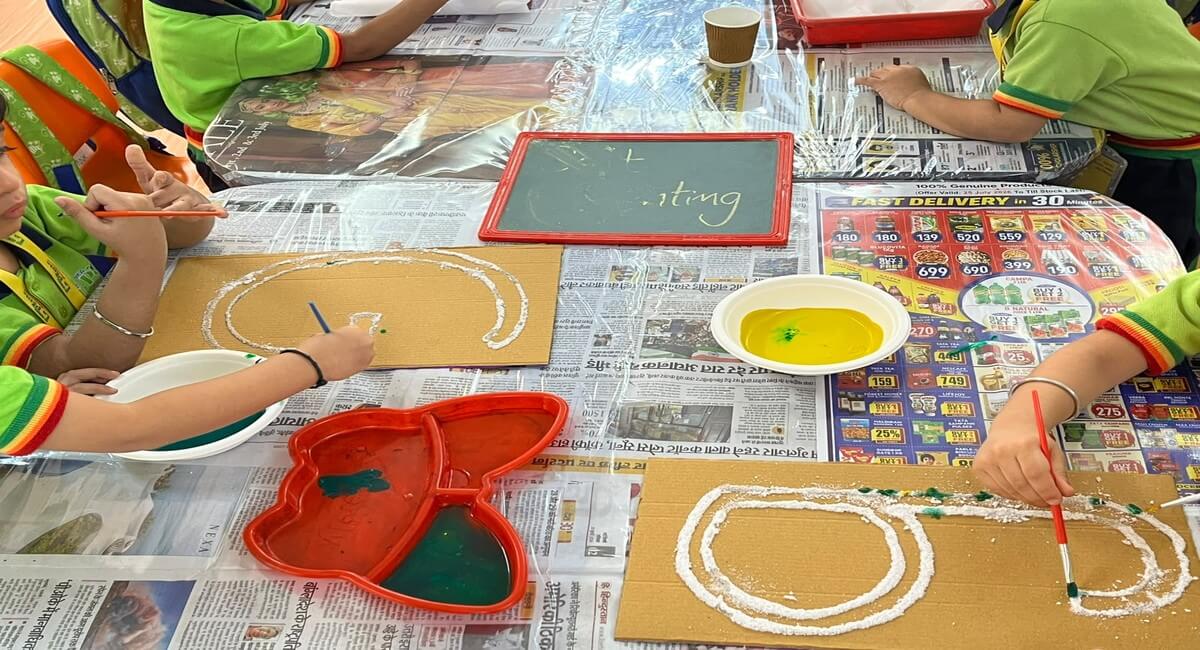
For young children, learning is not limited to listening, remembering words, or completing worksheets. It happens when they touch, feel, move, experiment, and explore their surroundings. Everyday experiences become opportunities to understand new ideas, develop skills, and make sense of the world.
Learning Begins with Hands-On Experiences
Children understand concepts more easily when they can connect them with things they see and experience every day. For instance, learning the alphabet becomes more engaging when letters are introduced through familiar objects, pictures, and everyday activities.
Numbers, too, become easier to understand when children encounter them through play. Counting jumps, arranging objects in groups or identifying how many blocks they have used helps them develop an early understanding of numbers. Instead of simply memorising, they begin to recognise patterns, quantities and relationships.
These small experiences make learning more meaningful because children are actively involved in the process. They get to observe, experiment and understand concepts through their own experiences.
Play Helps Children Develop Thinking Skills
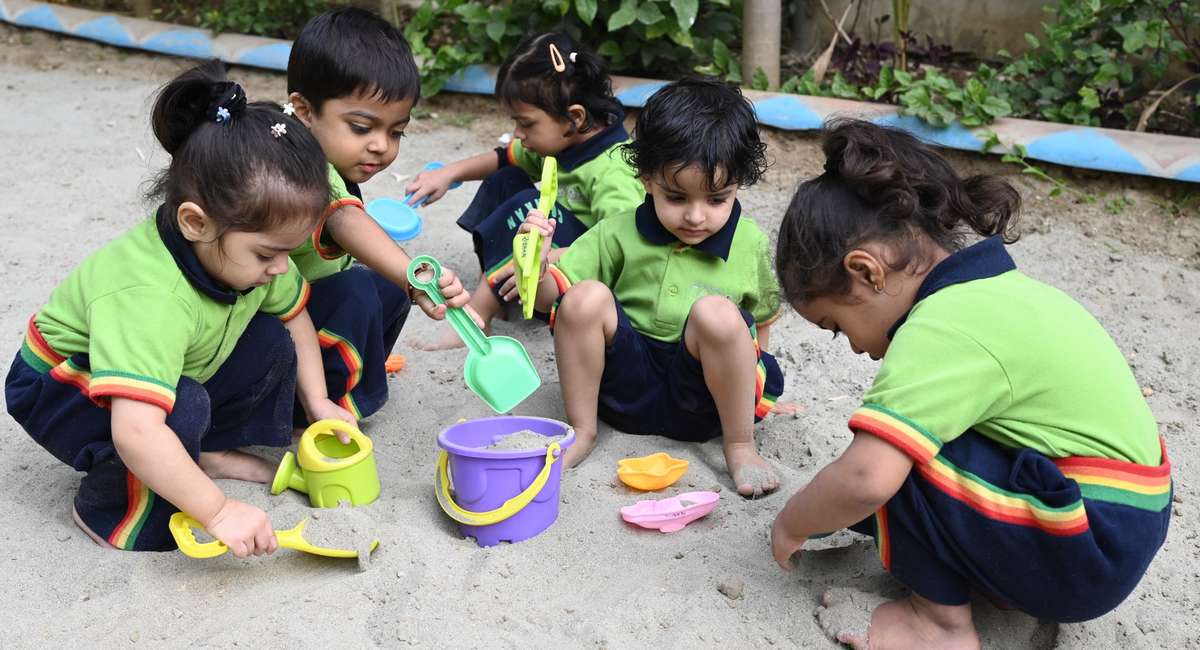
Building blocks, puzzles, sand and water play may appear to be simple activities, but they introduce children to important concepts.
When a child stacks building blocks, they begin to understand shapes, sizes, balance and spatial relationships. If a structure falls, they often try again, changing the arrangement until they find a way to make it work. This encourages problem-solving, patience and independent thinking.
Similarly, playing with sand, water, leaves and other natural materials allows children to explore different textures, quantities and properties. Such activities stimulate their senses while encouraging imagination, creativity and curiosity.
Through everyday play, children gradually develop:
- Problem-solving skills: Finding different ways to complete a task or build something.
- Creativity: Using familiar materials to create new objects and ideas.
- Sensory awareness: Exploring different textures, sounds, shapes, and materials.
- Concentration: Staying engaged while completing an activity or solving a small challenge.
What may look like an ordinary play activity is often an important part of a child's learning journey.
Movement Is an Important Part of Early Development
Young children are naturally active, and movement plays an important role in their development. Activities such as running, jumping, dancing, balancing, and climbing help strengthen their muscles and improve coordination.
Physical play also gives children opportunities to understand their abilities, take small challenges, and gradually build confidence. Learning to balance, complete an obstacle course, or participate in a group game helps develop both physical skills and social awareness.
Regular movement-based activities contribute to:
- Gross motor development: Building strength through running, jumping, and climbing.
- Balance and coordination: Learning to control body movements through physical activities.
- Confidence: Trying new activities and gradually becoming more independent.
- Social interaction: Learning to participate, take turns, and play with others.
Rather than viewing movement as a break from learning, it is important to recognise it as an essential part of how young children learn and grow.
Everyday Experiences Can Become Learning Opportunities
As adults, we sometimes associate learning with books, worksheets and classroom activities. However, young children learn in many different settings. A walk in the garden, helping to arrange toys, playing with water, or observing a butterfly can all encourage questions and new discoveries.
These experiences give children the freedom to explore at their own pace. When adults allow them to experiment, make mistakes, and try again, children begin to develop independence and confidence in their own abilities.
The role of parents and educators is not always to provide an immediate answer but to create opportunities for children to discover things for themselves. A little encouragement, a thoughtful question, or simply allowing them time to explore can make a meaningful difference.
How GD Goenka La Petite Makes Learning an Everyday Experience
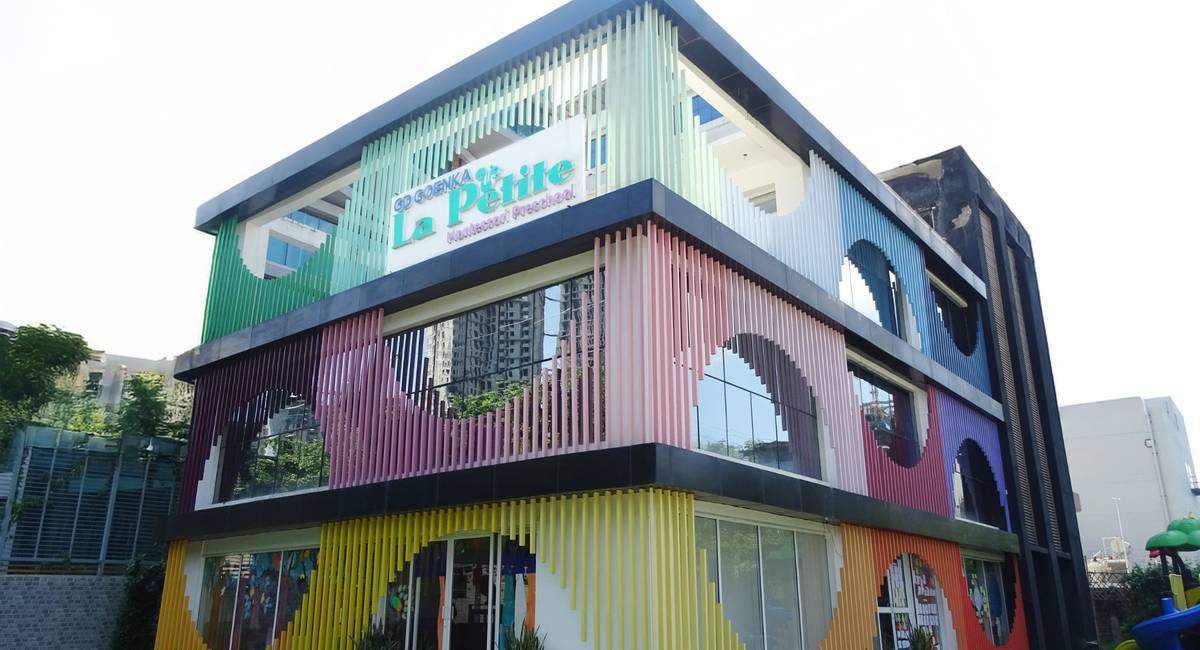
At GD Goenka La Petite, early learning is viewed as an experience that extends beyond books and formal instruction. Children need opportunities to participate, explore and engage with their surroundings to develop a meaningful understanding of the world around them.
Through a play-based and experiential approach to early childhood education, children are encouraged to learn through activities that stimulate their curiosity and allow them to discover new things. Everyday learning experiences can contribute to their overall development in several ways:
- Learning by doing: Hands-on activities help children understand concepts through observation and experience.
- Curiosity and exploration: Opportunities to ask questions, experiment and discover encourage independent thinking.
- Creative expression: Art, building and imaginative activities allow children to express their ideas and develop creativity.
- Physical development: Movement and active play support coordination, strength and confidence.
- Social and emotional growth: Interacting with other children helps develop sharing, communication and cooperation.
By making exploration an integral part of early learning, GD Goenka La Petite encourages children to discover, experiment and develop at their own pace.
Giving Children the Freedom to Discover
Every child learns differently, but curiosity, movement and exploration remain important parts of early childhood. When children are given opportunities to engage with their surroundings, learning becomes more natural, enjoyable and meaningful.
Sometimes, the best learning does not happen when a child is asked to sit still and listen. It happens when they are free to build, observe, question, experiment and discover. After all, childhood is a time of exploration, and the world around them offers countless opportunities to learn.
Ms Priya Yadav
- Mother of Hiyan Yadav
- Pre-nursery student
- GD Goenka La Petite
- Malibu Towne, Gurugram




 +91 93123-45678
 joinhands@gdgoenka.com